Technique
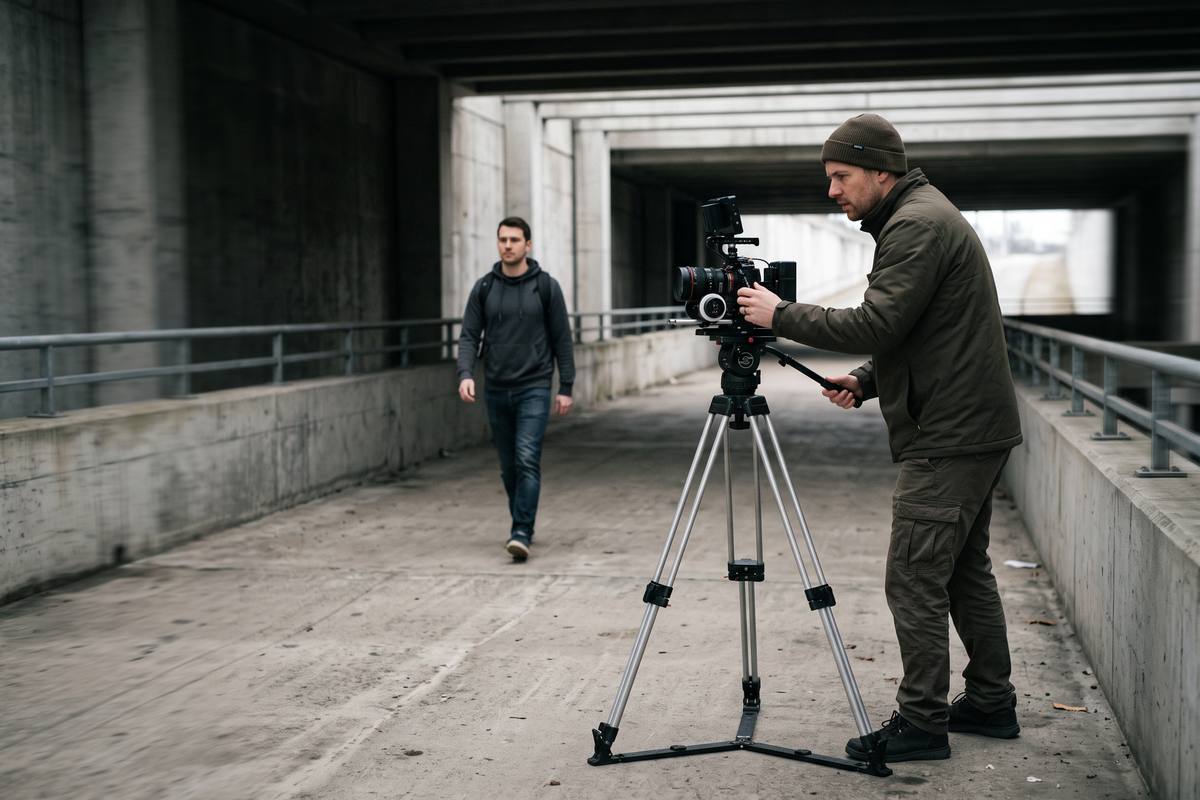
Pan, Tilt and Track: Core Camera Moves
The three foundational movements, how to execute each cleanly, and the mistakes that make movement look accidental.
Camera movement for short-form video
A move is a sentence in the grammar of a video. Used deliberately it guides attention; used constantly it says nothing. This journal covers the moves worth knowing, how to execute them cleanly, and how to judge when to hold still.

Editorial note
Movement is the most overused tool in short-form video and one of the most effective when used with intent. The difference is deciding the move before the shot rather than during it.
Every technique described in this journal answers a specific need: revealing scale, following action, connecting two subjects, or delaying information. If a shot does not need any of those, a static frame is usually stronger.
We write about movement as an editorial choice first and a technical skill second, because a perfectly executed move that adds nothing is still a wasted shot.
Latest from the journal
The core vocabulary of movement, one specific piece of equipment used well, and the editorial argument for restraint.
Technique
The three foundational movements, how to execute each cleanly, and the mistakes that make movement look accidental.
Equipment
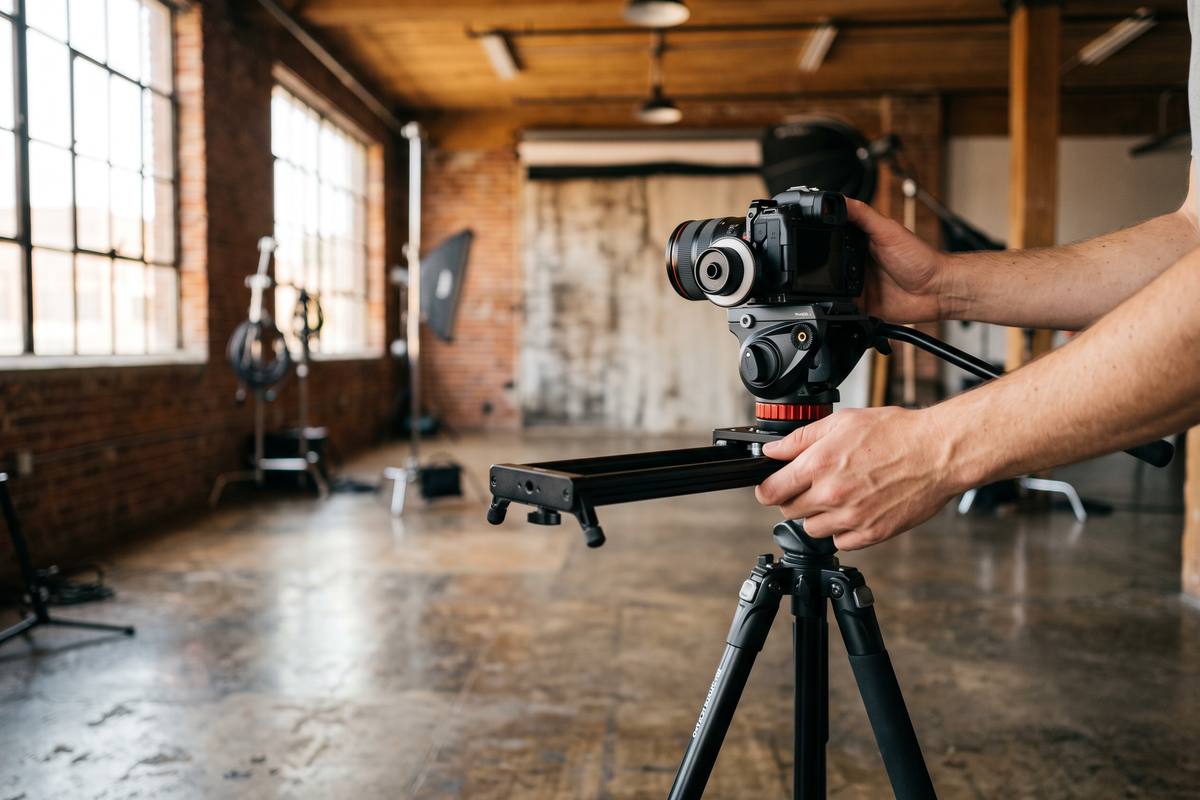
The most useful movement tool for tabletop and interior work, and the setups that make it worth carrying.
Editorial
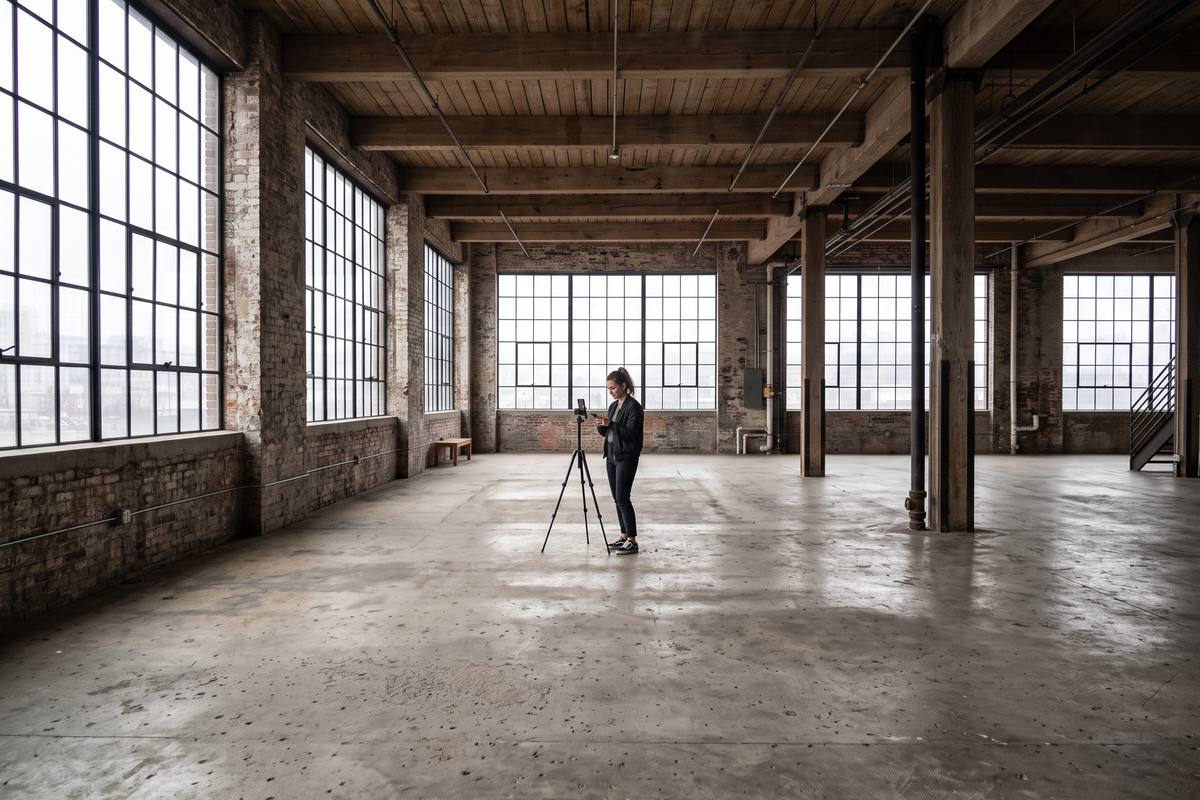
When to move, when to hold still, and how to judge whether a shot earns its movement.
Technique
Good movement has a defined beginning and a defined end. A pan that starts on a doorway and finishes on a face carries the viewer from context to subject; a pan that stops wherever the operator ran out of patience carries nothing.
Decide the start frame and the end frame before recording. If you cannot describe both in a sentence, the shot is not planned yet — and an unplanned move is nearly always visible in the finished video.

Reference
A short reference for the six movements that cover almost every short-form video.
| Move | What it does | Best executed with | Avoid when |
|---|---|---|---|
| Pan | Connects two points in the same space | Tripod with a fluid head, or a steady body turn | The two points have nothing to do with each other |
| Tilt | Reveals height, scale or a vertical subject | Tripod, slow and even | The vertical range is small and boring |
| Push in | Increases emphasis and intimacy | Slow walk forward or a slider | The subject is already the only thing in frame |
| Pull out | Gives context and reveals surroundings | Walking backwards with care, or a slider | The background does not add information |
| Track | Follows action and maintains framing | Gimbal, or a body turn with soft steps | The action does not travel anywhere |
| Arc | Shows shape and dimension of a subject | Gimbal or careful footwork | The background behind the subject changes distractingly |
“If the move does not change what the viewer knows, it is decoration. Decoration is not wrong, but it should be the last thing you add.”From the journal's editorial standards
Questions
Practise the move three times without recording, saying the speed out loud, then record the fourth attempt. Consistency comes from repetition rather than from equipment.
No. A tripod handles pans and tilts better than any gimbal, and careful footwork handles short tracks. A gimbal is most useful for long continuous movement and arcs.
Usually because the shot has no defined start or end, the speed changes mid-move, or the move stops before the subject is framed properly. All three are planning problems, not equipment problems.
One or two is usually enough. A video where every shot moves gives the viewer nowhere to rest, and the movement stops carrying meaning.
If the move is long, split it into two shots with a clean cut. Long continuous takes leave no room for error and are difficult to stabilise afterwards.
Correspondence
Questions about technique, corrections or a movement problem you cannot solve are all welcome. We publish the answers that help other readers.